
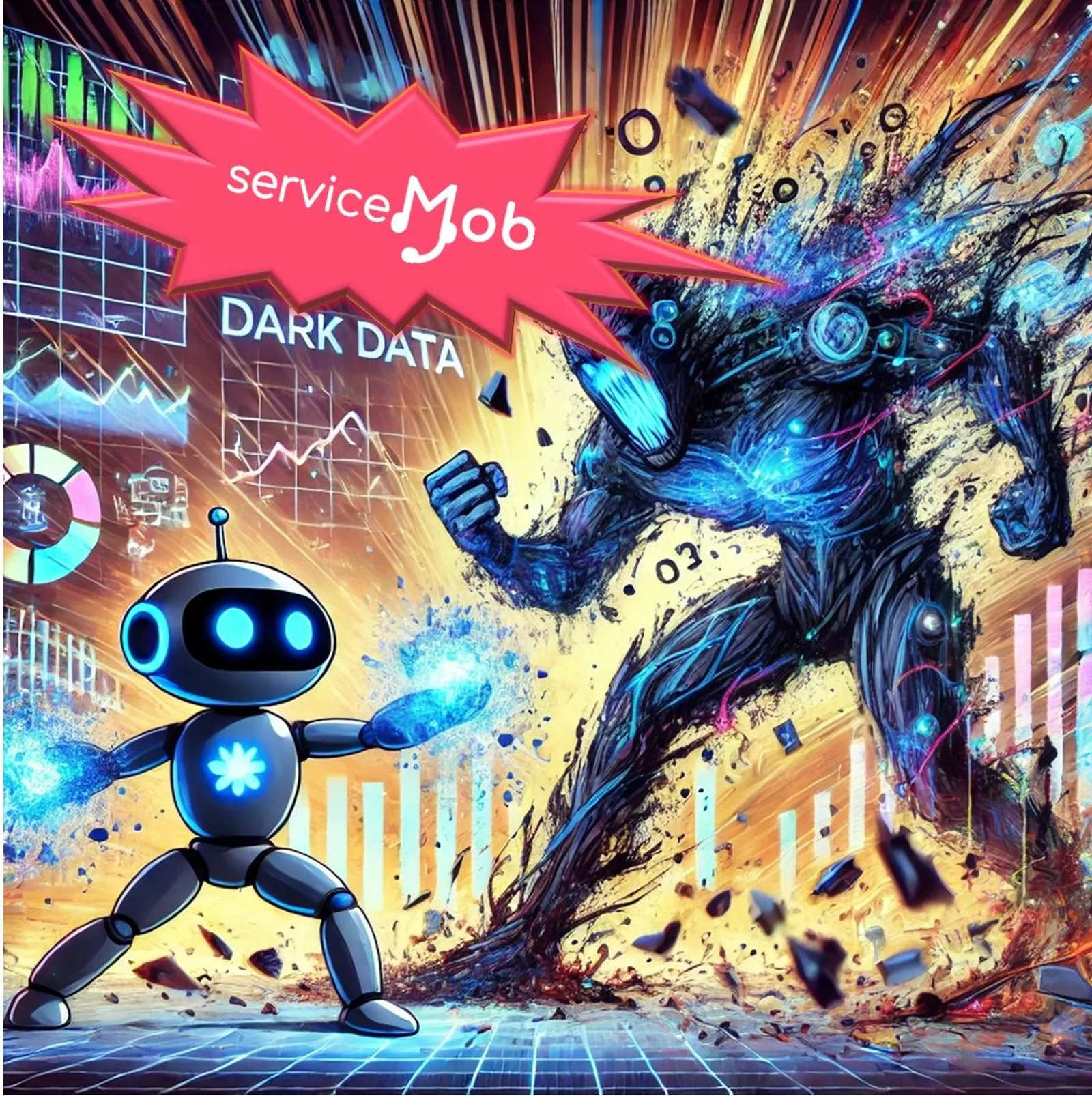
Customer service and support are broken. Despite the promises of AI-powered solutions, cases, tickets, and unsolved issues continue to pile up. Contact demand isn’t decreasing, it persists at the same levels, leaving leaders wondering why their efforts aren’t producing the intended results. The problem is clear: Service analytics are stuck in the past, relying on outdated metrics and data models that fail to address the core issues driving customer demand.
Why AI Isn’t Reducing Contact Demand
AI was expected to be the savior of customer service, but the reality has fallen short. According to Zendesk, customer inquiries have increased by 24% since last year. AI can handle repetitive tasks, but it’s not digging deep enough to solve the underlying problems that lead to customer service demand.
Most service leaders don’t even know how many customer experiences occurred last week or how many contacts per resolved experience were needed. Traditional metrics like CSAT and NPS provide some insight, but they fall short of addressing the critical questions that define the effectiveness of service operations. The focus remains on surface-level efficiency, not the root causes driving customer support demand.
The Failure of Service Analytics
Service analytics are failing because they’re too focused on operational efficiency, metrics like Average Handle Time (AHT) and First Response Time (FRT). While these measures track efficiency, they don’t explain why customers keep coming back for support. The reality is that as long as companies continue producing products and services, people will require support. There will always be misunderstood features, billing issues, or problems that require assistance.
But AI alone won’t solve these problems if the data model isn’t equipped to analyze the full customer experience and understand the factors driving contact demand.
Data Models: The Future of Customer Service
AI is only as effective as the data model it’s working from. At serviceMob, we’ve developed a unique data model that enables businesses to measure and analyze customer experiences holistically, not just at the transactional level.
Our proprietary metrics, such as Contacts Per Experience (CPE) and AMPx, allow companies to track the full customer journey from the first interaction to resolution. This enables businesses to understand and address the root causes of customer issues, leading to reduced contact demand and improved customer satisfaction.
serviceMob empowers companies to see, measure, act on, resolve, and transform customer experiences at scale. We don’t just make support teams more efficient, we help them stop problems before they start.
Why Leaders Need to Rethink Service Analytics
What’s missing from the AI conversation is that the customer experience isn’t just a metric; it’s a data model. The way you model your data directly impacts how you manage your customer service operations. If your focus is only on speeding up response times without addressing the underlying reasons customers are contacting you, you’ll remain stuck in a cycle of inefficiency.
Service analytics need to shift away from focusing solely on outputs, such as ticket resolution times, and start thinking about inputs, what’s driving those tickets in the first place. Until you address the root causes, the issues will continue to surface.
At serviceMob, we’re transforming the way companies think about service. We give businesses a comprehensive view of their customer experiences, enabling them to prevent issues before they happen. Fewer tickets, happier customers, and better outcomes are the results of this approach.
A Call to Action
If you’re serious about transforming your customer service operations, you need to be serious about the data model behind it. Ask yourself: Are your service analytics truly helping you understand the customer journey, or are they just measuring surface-level efficiency?
If you’re ready to move beyond transactional metrics and tackle the root causes of customer service issues, it’s time to reach out to serviceMob. We’re here to help you see, measure, act on, resolve, and transform customer experiences at scale. Let’s work together to take your customer service operations to the next level.